

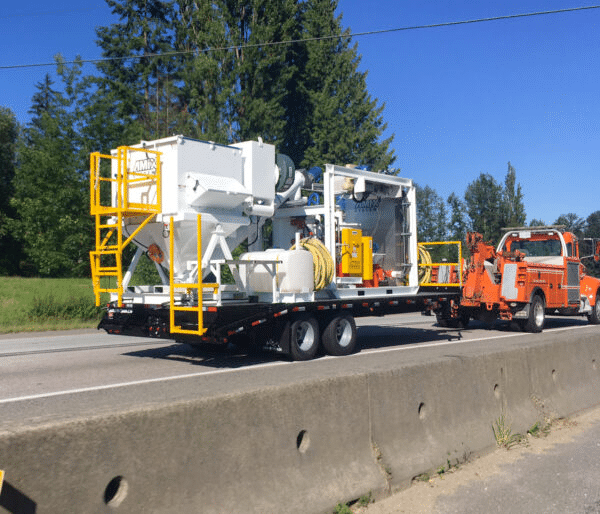
The tunnel grouting process is a critical technique used in construction projects to ensure the stability and safety of underground excavations. This method involves injecting grout-a fluid mixture typically composed of water, cement, sand, and sometimes chemical additives-into soil or rock formations surrounding a tunnel. The primary objective is to fill voids, reduce permeability, and strengthen the ground to prevent water ingress and ground settlement during and after tunneling operations.
Grouting begins with a thorough geological investigation to understand the characteristics of the soil or rock around the planned tunnel path. Engineers analyze factors such as porosity, permeability, fracture patterns, and groundwater conditions. Based on this information, they design an appropriate grouting plan that specifies grout composition, injection pressure, volume, and locations.
Once excavation reaches a certain stage or before it commences in problematic zones, holes are drilled into the surrounding strata at predetermined intervals. These holes serve as injection points for pumping grout under controlled pressure into fissures or porous media. The grout fills cavities within fractured rocks or loose soils by penetrating cracks too small for mechanical stabilization methods alone.
One common type of grouting used in tunnels is permeation grouting where low-viscosity grout permeates through fine pores without disturbing existing ground soil cement columns structure significantly. Another approach is compaction grouting which uses thicker mixtures injected at higher pressures to displace loose soils and densify them around the tunnel lining.
During injection operations monitoring plays an essential role; engineers track parameters like pressure levels inside boreholes along with volume injected per location to avoid over-pressurization that might cause fracturing beyond intended areas. Proper control ensures uniform distribution of grout while minimizing risks such as uplift forces that could destabilize nearby structures.
After completing injections at all required points along a section of tunnel wall or floor slab area subjected to treatment work continues with curing time allowing chemical reactions between cementitious components within the slurry mixture solidify hardened masses filling voids permanently improving load-bearing capacity.
Tunnel grouting also contributes significantly toward waterproofing efforts by creating impermeable barriers against groundwater flow which otherwise can cause erosion problems leading to structural weakening over time if untreated properly during construction phases.
In summary, successful implementation of tunnel grouting involves detailed site assessment followed by precise execution involving drilling injection holes strategically positioned around excavation boundaries combined with careful selection of suitable grout materials tailored according to subsurface conditions encountered onsite ensuring enhanced durability safety plus longevity throughout operational lifespan associated infrastructure projects requiring subterranean works like metro rail systems highways utilities pipelines among others making it indispensable part modern civil engineering practices related underground construction endeavors worldwide.